

Roasted or Grilled Duck, Spatchcock Method
Spatchcocking makes a whole duck easier to roast or grill, helping it cook evenly while giving the skin a chance to turn beautifully crisp.
1-2 whole wild duck (any puddle duck), plucked and spatchcocked, skin on, (1/2 bird per person)
Salt and pepper
Chinese 5 spice powder
Cumin
Fresh Thyme
Take your spatchcock duck and lay it skin side up on a pan or cutting board. It is important for the duck to be dry in order to get crispy skin. Pat the duck dry and carefully score the skin—do not cut the meat. Scoring allows the duck you to expose the fat layer, so it renders and drains. Coat the duck with flaky salt and let it sit for 2-3 hours, or overnight in the refrigerator.
When ready to cook, brush the salt off the bird and season with Chinese 5 spice, cumin and thyme. You can also use cracked pepper and garlic salt if preferred.
Oven method:
Preheat your oven to 400 degrees. Put your skillet in the oven to heat along with the oven.
Once oven temperature is reached, place duck skin side down in the pan. Place the skillet back in the oven for 10 minutes. After 10 minutes remove the pan and flip the duck over. Insert a remote temperature gage and place the pan back into the oven. The duck is finished when the temperature probe reaches 125 (rare) – 130 (Med-rare). Remove the duck from the pan and let it sit for 5 minutes. Remove the breasts from the bone and slice, one breast per person.
Grill Method:
Turn on your grill to high. Place a cast iron grill pan or skillet in the grill to heat along with the grill. Follow the same directions for the oven method.
Serve with wild rice or grits and a plum or port or other game sauce.
Notes: We prefer the grill method when doing more than two birds as our oven will smoke at high temperatures. Alternative to breasting the bird after cooking, you can also cut them down the sternum and serve a breast and leg on the bone, a ½ bird per person.
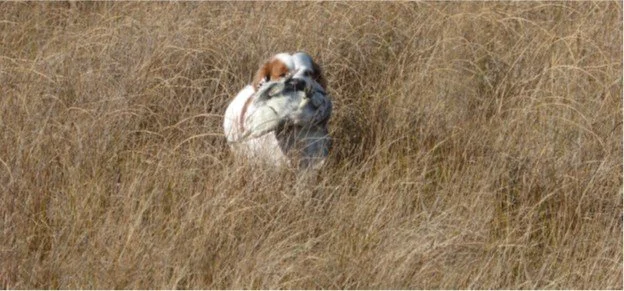
Sous Vide Sharp-Tail (or Pheasant) with Portobello-Port Sauce
A tender, precise way to prepare sharp-tail or pheasant, finished with a rich Portobello-Port sauce. Sous vide takes the guesswork out of cooking these delicate game birds.
4 breasts from pheasant
¼ teaspoon allspice
1 teaspoon paprika
¾ teaspoon garlic powder
¼ teaspoon black pepper
¾ salt
4 strips bacon, cut into small pieces
1 tablespoon olive oil
l½ cups chopped white onion
l shallot, chopped
1 garlic clove, minced
1 teaspoon dried tarragon, or 3 sprigs of fresh tarragon
1 large or 2 medium portobello mushrooms, sliced
½ tablespoons red currant jelly
1½ cups beef stock
¾ cup port wine
Rinse and dry breasts, season with pepper, garlic powder, paprika and salt. Vacuum pack or seal in Ziplock freezer bag, removing as much air as possible. Heat sous vide to 145°F. Immerse pheasant in bath for 60 minutes.
For sauce, brown bacon pieces in a large skillet. Remove and drain on paper towel. Drain all but 2 tablespoons of the bacon fat from the skillet and sauté onion and shallot on medium heat until onion is translucent. Add the garlic, mushrooms, and tarragon; sauté for 5 minutes. Next add the jelly, stock, and port to the skillet, stirring to combine and loosen any brown bits in the pan. Cover and simmer for 15 minutes. To thicken sauce, make a paste of 2 tablespoons flour mixed with a little water; add several tablespoons of the heated sauce to the flour-paste, stir to combine so that there are no lumps; blend flour mixture into the sauce.
After one hour (or so), remove pheasant from its bath. Heat skillet on high and sear the pheasant quickly on both sides—Remember you want the inside of the breast still rare. Serve breasts over wild rice mixture or grits, add bacon, and pour sauce over top.
Note: sous vide is perfect for preparing wild game prone to being dry and overcooked. It is very forgiving. Once meat reaches and cooks at 145°F, it essentially will not overcook, so cook for a minimum of 50 minutes, but can extend to 70-80 minutes.

Wild Duck Ragu
Slow-cooked wild duck makes a deeply flavorful ragu that's perfect tossed with pasta. It’s a delicious way to turn wild duck into a comforting meal for a crowd.
2 whole mallards or other wild duck, skin on
2 medium carrots. chopped
1 – 1 1/2 onion, finely chopped
1 stick celery, finely chopped
2-3 garlic cloves, minced
1 tablespoon chopped rosemary
2-4 thyme sprigs
1/4 cup orange juice
1 cup pureed tomatoes (passata)
1 heaped tbsp tomato paste
1/2 cup red wine, more as needed
5 cups duck, chicken or vegetable stock, more as needed
salt and pepper
2 tbsp olive oil
Pappardelle pasta (or other thick pasta, such as bigoli or bucatini), or grits
Parmesan cheese, for serving
Piece the ducks so that you can lay them flat in a heavy bottom cassoulet pan. We remove the breasts from the bone but keep the skin attached and the leg attached so that you have 4 pieces. Season the duck with salt and pepper.
Heat your pan with a little olive oil. Sear the ducks skin down on a medium to low heat for 7-8 minutes on each side until browned. Flip the ducks and sear on the other side for another 7-8 minutes. Set aside on a plate.
Leave one tablespoon of duck fat in the pan (note: Wild ducks have less fat then domestic ducks so you may not have more than one tablespoon) and add the chopped onion. Sauté the onion until soft and add the carrots and celery. Stir occasionally until softened—about 10 minutes in total. Add the garlic and stir until fragrant. Add the tomato paste and stir to incorporate. Add the pureed tomatoes.
Pour in the wine, stock and orange juice. Add the duck back to the pan and stir to combine all ingredients. Simmer uncovered for 1.5 – 2 hours turning the duck often and ensuring it is mostly covered. If the sauce reduces too much add more stock and/or wine as needed (pasta water can also be a great thickener).
Turn the sauce off the heat and remove the duck and let it cool on a chopping board for 10 minutes, or until you can handle it easily. Remove the skin from the duck and any bones and shred the meat using two forks. If it doesn’t shred easily, roughly chop the meat. Add the meat back to the sauce and reheat. The ragu is ready at this point and can sit until you are ready to cook your pasta or grits. Serve with a thick pasta like pappardelle or grits if you prefer, with freshly grated parmesan cheese to taste.
You will have plenty of leftover ragu and it freezes nicely.